
An Antminer S21 XP costs about $3,489 today and — at the current network rate of roughly $0.037 per terahash per day — nets about $2.90 daily at an 8¢ electricity rate. That works out to a roughly 40-month payback, if nothing changes. At 12¢ per kWh the same machine loses money every single day. That spread, not the sticker price, is the real cost story of Bitcoin mining hardware in 2026: the machine is the cheap part, and the electricity meter is the boss. Here is the full lineup with live prices, the profit math at each rate, and the costs that never show up in a mining calculator.
The 2026 Antminer Lineup and Real Prices
Marketplace listings in late September 2026 (which mix new and resold stock, and move with Bitcoin’s price — sometimes weekly):
| Model | Hashrate | Power | Efficiency | Price |
|---|---|---|---|---|
| Antminer S23 | 305 TH/s | 3,355 W | 11.0 J/TH | $8,349 |
| Antminer S21 XP Hydro | 473 TH/s | 5,604 W | 11.9 J/TH | $6,629 |
| Antminer S21 XP | 270 TH/s | 3,645 W | 13.5 J/TH | $3,489 |
| Antminer S21 Pro | 234 TH/s | 3,510 W | 15.0 J/TH | $2,140 |
| Antminer S21+ | 230 TH/s | 3,564 W | 15.5 J/TH | $1,700 |
| Antminer S21 (151) | 151 TH/s | 3,500 W | 23.2 J/TH | $950 |
| Antminer S19 XP (used) | 134 TH/s | 3,010 W | 22.5 J/TH | $499 |
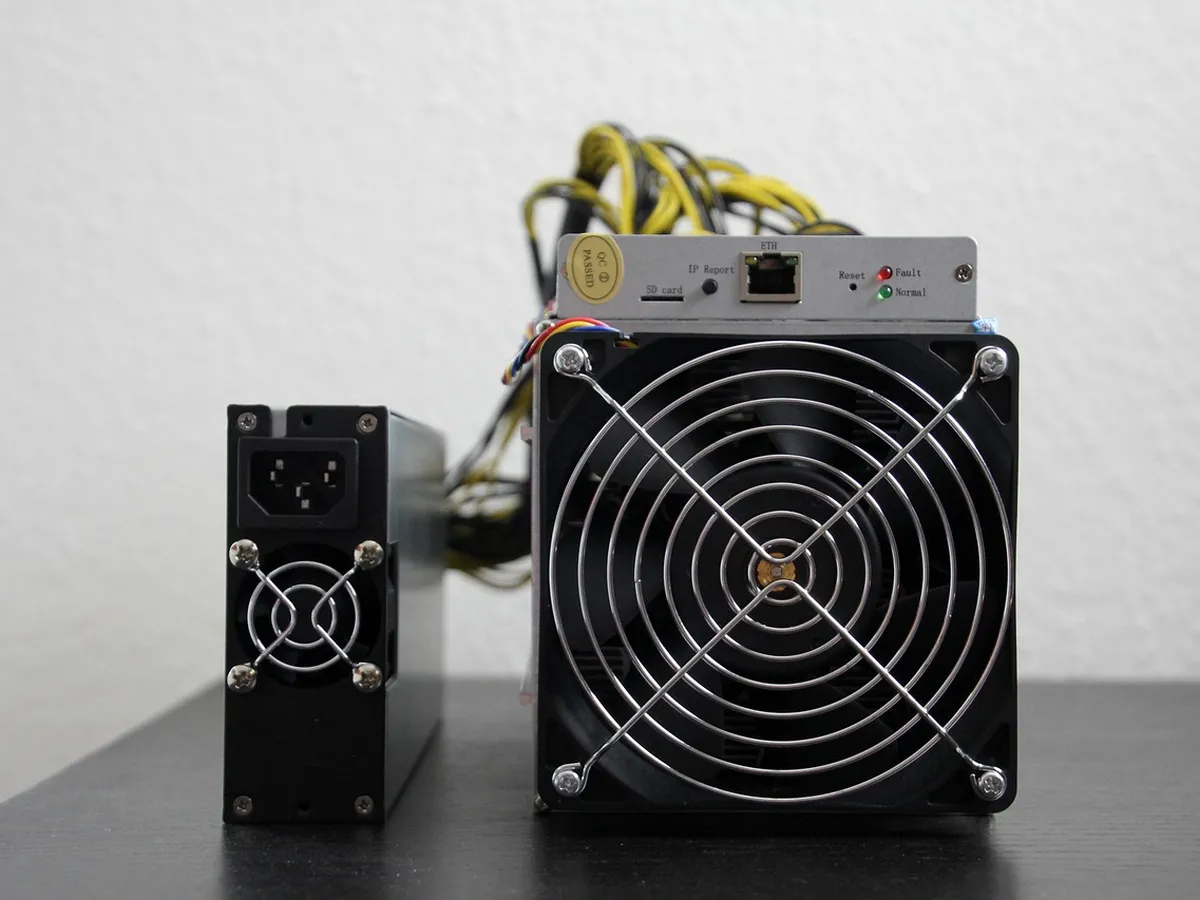
Read that table twice and two things jump out. First, the entry point is lower than most people guess — under a thousand dollars gets you a real, current-generation machine. Second, the efficiency column is where the money lives: the flagship burns 11 joules per terahash while the budget S21 burns 23. Same network, half the electricity bill per coin earned. Efficiency is the only spec that compounds daily for the life of the machine.
What an Antminer Earns Right Now
The network inputs, live in late September 2026: Bitcoin near $83,000, total hashrate near 1.02 zettahash per second, difficulty at 132.76T, and 450 BTC of daily issuance split across all of it. That works out to roughly $0.0368 per TH per day gross, before power and pool fees.
What that means per machine, net of electricity:
| Miner | Gross/day | Net at 6¢ | Net at 8¢ | Net at 12¢ | Net at 18.3¢ |
|---|---|---|---|---|---|
| S21 XP (270 TH) | ~$9.90 | +$4.70 | +$2.90 | −$0.57 | −$10.40 |
| S21 Pro (234 TH) | ~$8.60 | +$4.24 | +$2.60 | −$0.42 | −$9.70 |
| S21 (151 TH) | ~$5.55 | +$2.00 | +$1.06 | −$1.30 | −$9.10 |
| S19 XP used (134 TH) | ~$4.90 | +$2.50 | +$1.60 | −$0.60 | −$8.10 |
The pattern is brutal and simple: air-cooled S21-class machines need electricity under about 11¢ per kWh to cash-flow at all at current network earnings, and the US residential average is 18.31¢ (EIA, July 2026). This is why industrial farms exist, and why they cluster where power is nearly free. Mining Bitcoin at an American retail rate is buying an expensive, loud way to lose roughly ten dollars a day.
One caveat on “earnings”: a narrow-coin ASIC spike can top the daily revenue charts — a Zcash-class machine briefly out-earned every SHA-256 unit in late 2026 snapshots. A one-coin spike is not a business plan; by the time a retail buyer sources the machine, the spike’s hashrate has usually arrived too.
The Full Cost of Owning One
The sticker is the start. Shipping a 13-to-15-kilogram, $3,500 machine adds real money, and cross-border orders add customs duties that vary by country. Bitmain’s warranty terms depend on where and how you bought — gray-market units carry little recourse.
The circuit. A modern unit draws 3,500 to 3,700 watts continuously. That is beyond what a normal US bedroom circuit supplies; you need a dedicated 240-volt circuit like an electric dryer’s, and an electrician to install one. It is a few hundred dollars in most homes, more in old ones.
The noise. Around 75 decibels at full tilt — a vacuum cleaner that runs 24 hours a day, every day. Nobody keeps one in their living space for long. Garages, basements with sound treatment, and outbuildings are the realistic venues.
The heat. Every watt drawn becomes heat dumped into your space. In winter, that is free heating with a payout address. In summer, your air conditioner pays to remove every one of those watts a second time.
The environment. ASICs ingest dust and humidity with their enormous intake fans. Dirty power, pets’ hair, and summer garage temperatures above the unit’s operating range all shorten its life. Hydro models solve noise and heat with plumbing — at a higher price, and with water lines to install.
Hosting vs. Running It at Home
Hosting — shipping your unit to a facility that plugs it into industrial power — is how most hosted machines justify existing, and it solves the noise, heat, and circuit problems in one move. The tradeoffs are real: you pay the facility’s margin on top of its power rate, you eat its downtime as your own (ask for the uptime record, not the marketing claim), and you hand physical custody of a multi-thousand-dollar machine to a company whose responsiveness you cannot verify until something breaks. Get the per-kWh rate in writing, check what insurance and custody terms apply, and compare the all-in number against your own bill before assuming hosted means better.
The rule of thumb the math supports: hosting only wins when the facility’s power rate beats yours by enough to cover its margin — which is exactly why hosted machines cluster in cheap-power regions, and why a hosted quote from an expensive-power region is usually a losing deal dressed up as convenience.
New vs. Used: The Efficiency Gap
The used market’s floor price is seductive — a 134 TH/s S19 XP at $499 is a fifth of an S21 XP’s price. But it burns 22.5 J/TH against 13.5, meaning it pays roughly 60% more electricity for every coin earned. At an 8¢ rate the used unit still nets about $1.60 a day, and a $499 entry pays back fast. At 12¢ it is underwater, and it crosses into losses sooner than the efficient machine as network earnings fall.
The deeper point about used ASICs: their resale value swings enormously with Bitcoin’s cycle — a machine that lists at $499 in a cool market sold for multiples in the last mania. Buying used is buying volatility in the hardware itself, on top of the coins you mine.
Three Setups, Three Verdicts
The garage operator at 8¢. One S21 XP at $3,489, plus a few hundred for the 240V circuit. Net about $2.90 a day at current earnings — roughly $88 a month, payback around month 40. Viable only if you treat the machine as a long-horizon Bitcoin accumulator and can tolerate earnings-per-TH drifting down as the network grows. Stress it at half the current earnings rate and the payback becomes a decade; decide with that number in front of you.
The hosted unit. Same S21 XP in a facility at a rate that beats your home rate. Whether it wins depends entirely on the written quote: facility rate, margin, and uptime history. The one-line test — if the facility’s all-in rate is under your local rate by more than its margin, it wins; if not, it is paying rent to lose money slightly slower.
The used S19 XP at 4¢. $499 buys in. Gross about $4.90 a day, power about $2.90, net roughly $2 daily — the unit pays for itself in under a year at current earnings, and keeps printing after. This is the only configuration where cheap used hardware genuinely beats the efficient flagships: when electricity is nearly free, efficiency matters less than entry price.
The Mistakes That Eat the Money
Buying on today’s numbers. Earnings per TH fall as hashrate grows between halvings; the network does not care about your payback spreadsheet. Any purchase that only works at today’s $0.037 is a purchase that fails. Run it at half.
Assuming Bitcoin’s price will rescue you. Sometimes it does — but difficulty follows price with a lag, because everyone else’s machines come back online too. The gap between a price move and the difficulty response is where miners make or lose their year.
Underestimating the noise. The most common home-mining story ends the same way: three weeks of vacuum-cleaner-roar later, the unit is for sale. Plan the room before you plan the purchase.
Cheap power infrastructure. A machine pulling 3,600 watts continuously through a bargain power strip or an overloaded breaker is a fire risk, not a corner cut. The circuit, the breaker, and the wiring are safety equipment — budget accordingly and use an electrician.
Forgetting it is a business. Pools charge 1 to 1.5 percent (2Miners runs 1.0% pooled, 1.5% solo), payouts have minimums, and coins need somewhere to live. Small frictions, but they compound daily like the electricity does.
Bottom Line
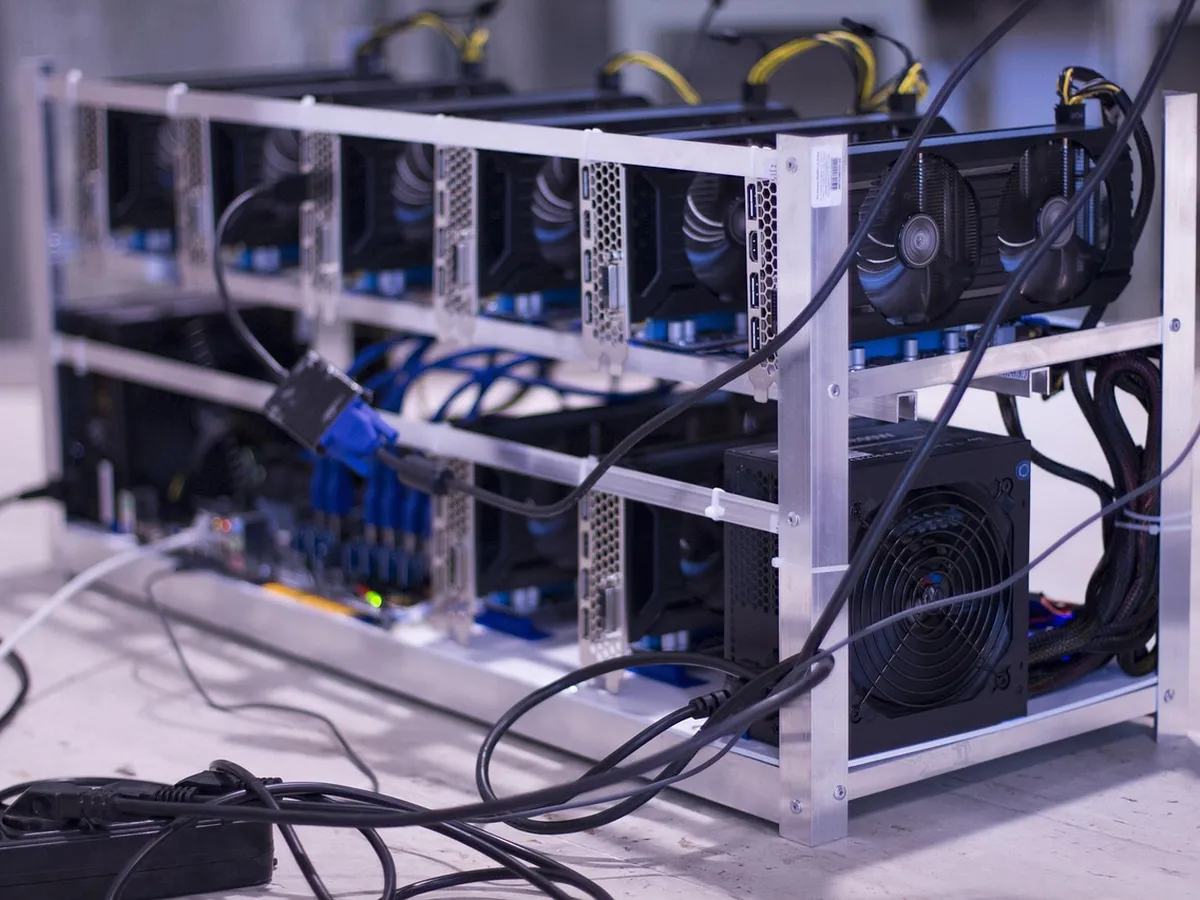
An Antminer in 2026 costs between about $950 and $8,300 depending on generation, and the range that actually matters is on your utility bill: at 8¢ per kWh an S21 XP nets about $2.90 a day and pays back in roughly 40 months; at 12¢ it loses money daily; at the 18.3¢ US average it loses more than ten dollars a day. Home Bitcoin mining is a cheap-electricity hobby by definition — if your rate is high, the same hardware dollar goes further in a graphics card mining other coins or earning AI rental income, both of which run their own math on our calculators page.
FAQ
How much does an Antminer cost in 2026?
Late-September 2026 marketplace snapshots show a wide ladder: around $950 for a 151 TH/s S21, roughly $2,100 for the 234 TH/s S21 Pro, about $3,500 for the 270 TH/s S21 XP, and $8,300-plus for the new-generation 305 TH/s S23. On the used floor, 134 TH/s S19 XPs list near $500 — cheap per unit, but they burn roughly twice the power per terahash of current-generation machines.
How much does an Antminer make per day?
At the current network rate of roughly $0.037 per TH per day, a 270 TH/s S21 XP grosses about $9.90 daily. Net of electricity: about $4.70 at 6¢, $2.90 at 8¢ — and about 60 cents underwater at 12¢. Our Antminer profitability calculator runs your own rate against every model.
Is Antminer hosting worth it instead of running at home?
It solves the noise, heat, and 240V-circuit problems in one move, at the price of the facility’s margin, its downtime, and custody of the machine. Hosting wins when the facility’s power rate beats yours by more than that margin. Get the per-kWh rate and uptime record in writing, and compare the all-in number to your own bill.
Can you run an Antminer in a house?
Technically yes; practically it is hard. A modern unit draws 3,500 to 3,700 watts continuously — ten space heaters that never turn off — needs a dedicated 240V circuit, and produces around 75 dB, vacuum-cleaner loud, 24 hours a day. It also dumps every watt as heat that your air conditioner pays for again in summer. Most home attempts end with the unit for sale within a few months; a garage or outbuilding is the realistic venue.