
A graphics card mining rig in late 2026 earns real money again — roughly $1.50 to $8.70 per day gross depending on the card, with even a mid-range RTX 5070 netting about $2.50 a day after electricity at the US average rate. That is the best GPU mining has looked in years, and it is also the trap. The recovery is driven by one new coin’s spike, spikes fade as hashrate arrives, and every dollar of the profit case collapses differently depending on what you paid for the card and what you pay per kilowatt-hour. This guide walks the full cost of owning mining hardware in 2026, with the current numbers and the honest math.
What GPUs Still Mine in 2026
The coin roster rotated again. Kaspa, the last big GPU coin, is gone from the GPU rankings — dedicated ASICs took it over, the same way they took Bitcoin a decade ago. WhatToMine’s GPU table in late September 2026 is topped by Pearl (PRL), a newer proof-of-work coin that currently pays mainstream NVIDIA cards their best revenue, with Quantus, Tari (strongest on AMD), Zclassic, EPIC, Conflux, FIRO, and QUAI filling out the ranked list. The older classics — Ergo, Ravencoin, Nexa — remain pool-mineable and still show up in payout lists, just no longer at the top of the revenue board.
This rotation is the first thing to internalize about GPU mining’s cost of ownership: the hardware outlives the coins. A card bought to mine one algorithm will likely mine three different coins before you turn it off, and none of them will ask your permission.
What Each Card Actually Earns
Here is the late-September 2026 snapshot from WhatToMine, using each card’s best current algorithm (Pearl for the NVIDIA cards shown):
| Card | Hashrate | Power | Gross/day | Net/day at 18.3¢ |
|---|---|---|---|---|
| RTX 5090 | 300 TH/s | 420 W | $8.69 | $6.84 |
| RTX 5080 | 195 TH/s | 250 W | $5.65 | $4.55 |
| RTX 5070 Ti | 165 TH/s | 220 W | $4.78 | $3.81 |
| RTX 5070 | 110 TH/s | 160 W | $3.19 | $2.49 |
| RTX 4060 | 52 TH/s | 100 W | $1.51 | $1.07 |
The electricity column uses the EIA’s US residential average of 18.31¢ per kWh from July 2026 — a number that rose about 5% over the prior year and ranges from roughly 13¢ in Utah to 48¢ in Hawaii. Run the same math at Hawaii’s rate and every card on the list loses money; run it at a 6¢ rural co-op rate and the 5070 nets about $3 per day.
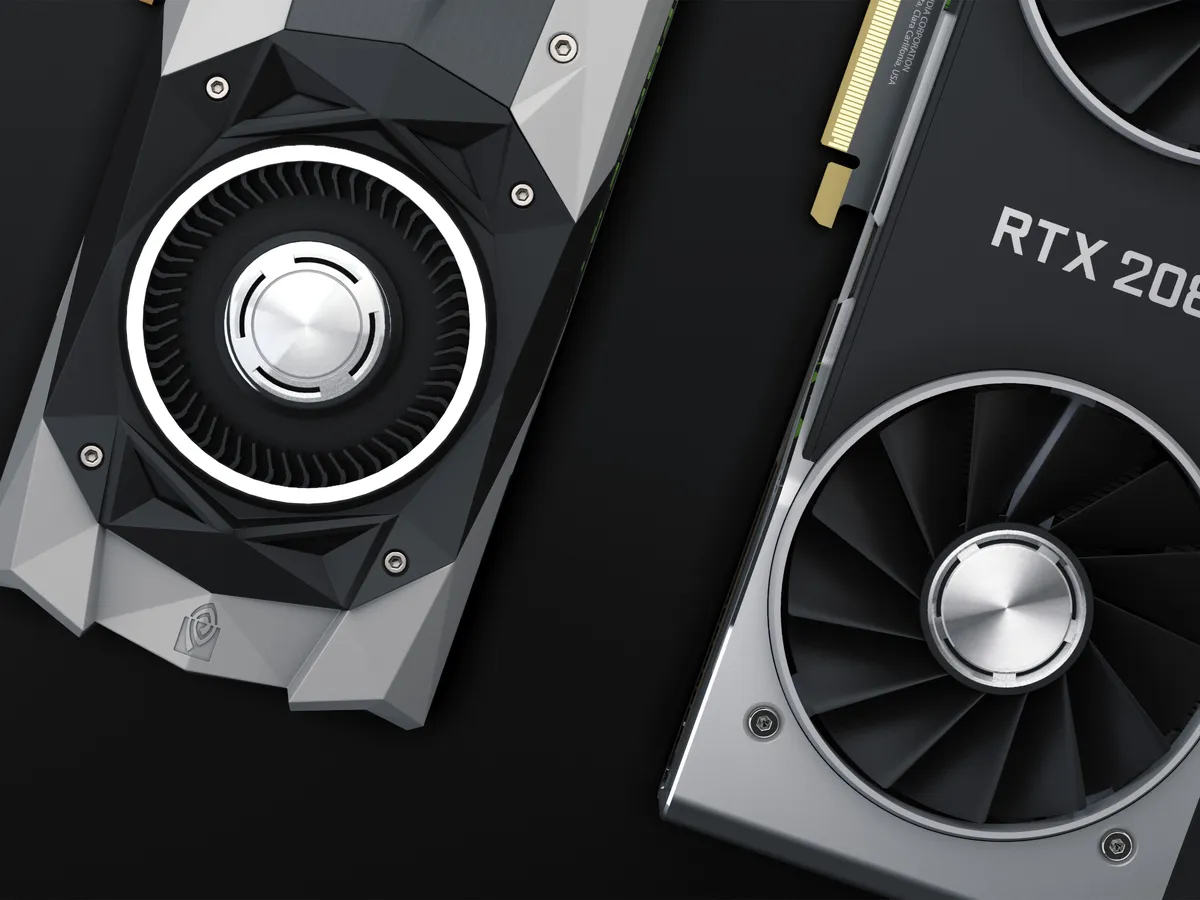
The number in that table that deserves suspicion is the revenue itself. Pearl is new, new coins concentrate their rewards early, and hashrate chases revenue — which mechanically pushes each miner’s share down. WhatToMine itself flags some cards’ readings as unverified. Treat every figure on that board as this week’s weather, not next year’s climate, and stress-test any purchase at half these numbers before you spend a dollar.
The Full Cost of Owning a Mining GPU
The card. Launch MSRP runs $549 for an RTX 5070, $999 for a 5080, and $1,999 for a 5090 — but a memory-supply shortage that started in late 2025 has pushed real street prices above sticker on several models, with 5090s listing at $3,000 and up in some shops. The gap between MSRP and street is part of your cost of entry whether the marketing page admits it or not.
The support hardware. A single-card rig needs little beyond a decent power supply with headroom. A multi-card frame adds risers, a bigger PSU, fans, and a rack — budget a few hundred dollars per build on top of the cards. Cheap PSUs are the classic false economy here; they sit at the center of $2,000 in hardware and fail in ways that can take the cards with them.
Electricity, the never-ending bill. A 5070 mining around the clock burns 160 watts — about 115 kWh a month, or roughly $21 at the national average. A 5090 burns double that. This is the cost that never pauses, never sleeps, and grows when utilities raise rates, as they did 5% nationwide last year.
Wear. Mining loads a card harder and hotter than gaming. Fans and thermal pads age first — a two-year mining card typically wants new fans and a repaste, a $30 to $60 service on cards that still work fine otherwise. The silicon itself rarely dies young.
Depreciation. The quiet one. A used mining card sells for less than an identical used gaming card, because buyers assume the worst. If your plan includes selling the card when mining stops paying, shave 20 to 30 percent off the resale value you assume.
Three Real Rigs, Three Very Different Stories
Scenario 1: one RTX 5070, grid power at 18.3¢. Card at $550. Net about $2.49 per day at the current spike — call it $75 a month. The card pays for itself in about seven months if revenue holds. That “if” is doing enormous work: when the Pearl spike cools and per-card revenue halves, the payback stretches past a year; at a quarter of the spike, past two. On a card you’d be happy to own anyway, this is a reasonable game. On a card bought purely for this table, it is a bet on a spike.
Scenario 2: a four-card 5070 rig at an 8¢ rural rate. Cards at $2,200, plus $400 in PSU, risers and frame — call it $2,600. At 8¢, power costs each card about 31¢ a day, so the rig nets roughly $11.50 daily at current revenue, about $350 a month. The rig pays back around month eight, and unlike Scenario 1, it stays solidly profitable even if revenue halves. This is the configuration the math actually favors: efficient cards, cheap power, no luxury hardware.
Scenario 3: the RTX 4060 you already own. Cost of entry: zero. It grosses about $1.51 a day and costs about 44¢ to run at the average rate — call it $32 a month of found money. This is the only scenario with no capital at risk, and it is the right way for almost everyone to learn what mining actually sounds like, feels like, and pays.
When a Rig Makes Sense
The math works in three situations. You already have the card and cheap-enough power. You have genuinely cheap electricity — under about 10¢, and comfortably under 6¢ — which no amount of enthusiasm substitutes for. Or you have solar that otherwise overproduces, in which case you are selling surplus electrons at whatever rate mining offers instead of the export rate your utility pays.
It does not work because a YouTube thumbnail showed a number. Every profitable setup resolves to the same variables: revenue (volatile), card cost (sunk at purchase), and electricity (permanent). Two of the three are known before you buy. Price them honestly.
The Mistakes That Eat the Profit
Buying hardware at spike prices. GPU prices rise when mining spikes because demand rises — you would be buying the top. The card that pays back in seven months at today’s revenue and today’s inflated price can easily take twice as long at normal revenue.
Forgetting that spikes attract hashrate. Pearl pays well right now because few miners mine it. Every rig pointed at it lowers everyone’s share. The revenue column of a spike is a melting ice cube; the card on your shelf is not.
Mining where you live. A mining rig is a space heater with a payout address. One card in a home office is winter comfort and summer misery. Four cards need a garage, a basement, or a conversation with whoever pays the cooling bill.
Counting on selling the card at gaming prices. If the exit plan is “sell the GPU when it stops making sense,” remember the buyer is pricing in the same wear you created. Depreciation is a real cost even when no invoice shows it.
Bottom Line
Late 2026 is the best time to be a GPU miner in years and a mediocre time to become one. Cards genuinely net $1 to $7 a day at current revenues, but the revenues are spike-inflated, the cards are shortage-priced, and the durable case still belongs to cheap power and hardware you already own. If you run one, run the numbers at half of today’s revenue before you expand — and check the Antminer math before assuming bigger hardware means better economics, because at 12¢ per kWh the big machines lose money every day.
FAQ
Is GPU mining profitable in 2026?
Briefly, and with an asterisk. A late-2026 coin spike pushed mainstream cards to $1.50 to $8.70 per day gross, which nets real money even at the 18.3¢ national average power price. Spikes fade as hashrate arrives, so durable profitability still belongs to cheap power — under about 10¢ per kWh — and to cards you already own.
How much does a GPU make per day mining?
At the late-September 2026 snapshot: an RTX 4060 grosses about $1.50, an RTX 5070 about $3.20, an RTX 5080 about $5.65, and an RTX 5090 about $8.70 before electricity. Our GPU mining calculator nets those numbers against your own power rate.
What electricity rate makes GPU mining worth it?
At the current spike, even average rates leave a margin — which is exactly what makes the spike a dangerous purchase signal. Historically, durable GPU mining needs power under about 10¢ per kWh, and under 6¢ to shrug off coin-price slumps.
Does mining ruin a graphics card?
It ages the fans and thermal pads first; two years of 24/7 mining usually means a $30 to $60 fan-and-repaste service. The silicon typically survives. The bigger cost is depreciation — used mining cards sell at a discount to identical gaming cards, which is a real expense even though no bill ever shows it.