
Insuring an electric car in 2026 costs meaningfully more than insuring its gas equivalent: Insurify’s analysis of its quotes database puts full coverage for EVs around $3,159 a year versus $2,218 for comparable gas cars — roughly 42% more. That’s the headline gap, and it’s the quiet line item that erodes the EV’s fuel savings: an owner saving $1,100 a year on charging (at 2026’s gas prices) can give a third of it back at the insurance counter. The more useful news buried in the same data: the premium gap narrows to roughly 18% on newer model years, as repair networks mature and battery costs fall. Here’s what drives the gap, what real EVs cost to cover, and how to keep the number down.
Why EVs Cost More to Insure
Three forces, all rooted in the same fact: EVs are expensive to repair after a crash.
Repair costs. EV body shops deal with high-voltage systems, sensor suites embedded in bumpers and mirrors, and aluminum-intensive structures. A minor collision that dents a gas car’s fender can trip parking sensors and require battery-adjacent inspection on an EV — labor hours multiply, and insurers price those hours into premiums.
The battery. The battery pack is the most expensive component on the car, and insurers have to price worst-case outcomes: pack damage from a collision (or from flooding or road debris) can total a car that a gas equivalent would have survived. Even as pack prices fall industry-wide, the replacement scenario still dominates the actuarial math.
The repair network. Fewer shops are certified for high-voltage work, which means longer tow distances, costlier parts channels, and rental-car days that stack up during claims. Insurers pay for that friction, then collect for it in advance.
None of this is unique to one brand — it’s the structural reason the EV premium exists at all, and it’s why the gap closes as EVs age into bigger certified networks and cheaper batteries.
What Real EVs Cost to Insure
The attributed 2026 reference points:
| Vehicle | Full coverage (est.) | Source |
|---|---|---|
| EVs, average | ~$3,159/yr | Insurify quotes database |
| Gas cars, average | ~$2,218/yr | Insurify quotes database |
| The premium | ~42% | — |
| Newer EVs (2024+) | ~18% premium | Insurify, reported late 2025 |
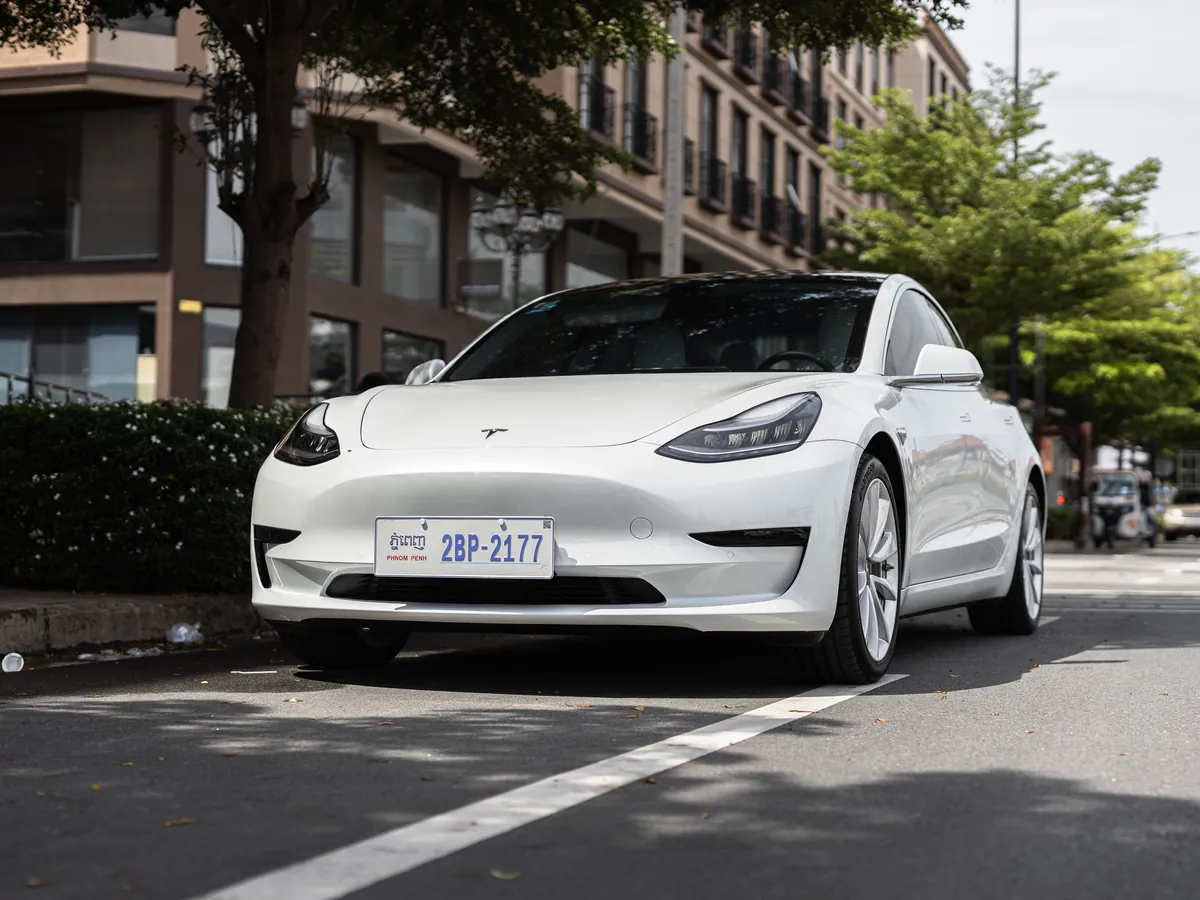
| Tesla Model 3 | ~$3,871/yr | Insurance.com, June 2026 |
| Tesla Model Y | ~$3,836/yr | Insurance.com, June 2026 |
Two honest caveats before you anchor on those numbers. First, insurance pricing is intensely personal — your age, record, credit tier, and ZIP code move any quote more than the EV-vs-gas gap does, so treat these as the market’s shape, not your price. Second, these figures describe comparable coverage levels; the comparison that matters is the same driver quoting the same limits on both candidate cars.
What the Premium Does to the EV-vs-Gas Math
This is where the insurance line earns its place in the ownership ledger. In our EV vs gas comparison, charging at home saves a typical driver about $1,140 a year against 2026’s $4.48 gasoline. Apply the ~42% insurance premium — call it $600 to $900 a year on many comparisons — and the fuel advantage shrinks by half or more before depreciation even enters.
That’s the sober version. The mitigating version is real too: the gap narrows to ~18% on newer EVs, some insurers price specific EVs competitively (a growing list as claims data matures), and high-mileage drivers’ charging savings dwarf the premium regardless. The ledger doesn’t kill the EV case — it just insists the insurance quote arrive before the purchase does, not after.
How to Pay Less
Quote the exact VIN before you buy. The spread between insurers on the same EV routinely exceeds the EV premium itself. Two quotes, ten minutes, and the “42%” may not apply to you at all.
Weigh model year. The ~18% premium on newer EVs means the newest used EV can be the cheapest EV to insure relative to its peers — one more point in favor of letting the first owner absorb depreciation.
Mind the trims. Performance variants carry performance-variant premiums; the base trims of the same EV insure noticeably cheaper. Battery size and trim packages show up in claims data.
Raise comprehensive/collision deductibles if your emergency fund allows — the fastest lever on any full-coverage premium, EV or not.
Ask about EV-specific discounts. Some insurers now offer green-vehicle discounts or telematics programs that offset part of the structural premium. The discount landscape is changing faster than the underlying rates.

The Bottom Line
Insuring an EV in 2026 runs about 42% more than a comparable gas car — roughly $3,159 against $2,218 a year for full coverage, per Insurify’s quotes data — driven by expensive high-voltage repairs, total-the-car battery scenarios, and a still-maturing repair network. The gap narrows to roughly 18% on newer models, and personal factors still swamp the EV premium entirely. Practical order of operations: get real quotes on your exact candidates before purchase, prefer newer model years when EV shopping, and run the full five-year ledger — fuel savings, insurance premium, and the depreciation gap — in the car cost of ownership calculator before the badges decide for you.
FAQ
How much more does it cost to insure an EV?
About 42% more than a comparable gas car at full coverage — roughly $3,159 a year versus $2,218, per Insurify’s quotes-database analysis reported in late 2025. On newer model years the gap narrows to about 18% as repair networks mature and battery costs fall. Your own quote depends more on driver profile and location than on the EV premium itself.
Why is EV insurance so expensive?
Three structural reasons: EV collisions cost more to repair (high-voltage systems, embedded sensors, specialty labor), a damaged battery pack can total a car a gas equivalent would survive, and the certified-repair network is still thin — longer claims, costlier rentals. Insurers price all three into premiums until claims data and repair capacity catch up.
Which EVs are cheapest to insure?
Newer model years with strong claims histories and non-performance trims, generally — the base trims of mainstream EVs price closest to their gas equivalents, while performance variants carry performance premiums. The only number that matters, though, is the quote on your exact VIN: shop it before buying, because insurer spread on the same car exceeds the average EV premium.
Does EV insurance cancel out the fuel savings?
Often not, but it takes a real bite. Home charging saves a typical driver about $1,140 a year against 2026 gas prices; the ~42% insurance premium can reclaim $600-$900 of that on comparable coverage. High-mileage drivers keep most of the savings, and newer-EV buyers face the smaller 18% gap — but the honest ledger includes both lines, which is exactly what our EV vs gas guide runs.