
If your electric bill feels bigger every season, it’s not your imagination: the national residential average hit 18.31¢ per kWh in mid-2026, up about 5% year over year — the fourth straight year of increases — and the forces behind it are structural, not seasonal. The loudest of them is new: data centers. When PJM, the grid serving 65 million people from Virginia to Illinois, ran its latest capacity auction, the clearing price jumped more than three-quarters in a single year, with data-center demand cited as the primary driver. Add grid-upgrade spending and state-by-state rate design, and the same air-conditioned house can cost twice as much to run depending on its address. Here is what’s actually inside a 2026 electric bill — and the part of it you can still control.
What the Bill Is Made Of
An electric bill stacks several charges, and 2026 inflation is hitting the top two hardest:
Generation (the power itself): priced in wholesale markets. This is where the data-center story lives — new enormous loads arriving faster than new plants are built.
Capacity and transmission: the cost of having enough power plant and wire available at peak. Capacity markets exist precisely because the grid must be built for the hottest afternoon of the year, and that’s where the auction shock shows up.
Delivery and distribution: your utility’s poles, wires, and storm hardening, recovered through your rate. This portion grows whenever utilities invest — and 2026 is a heavy investment cycle.
The EIA’s latest Electric Power Monthly (data through July 2026, released September 24) puts the national residential average at 18.31¢ per kWh — and while the national number creeps up about 5% a year, the state spread is where bills actually get decided.
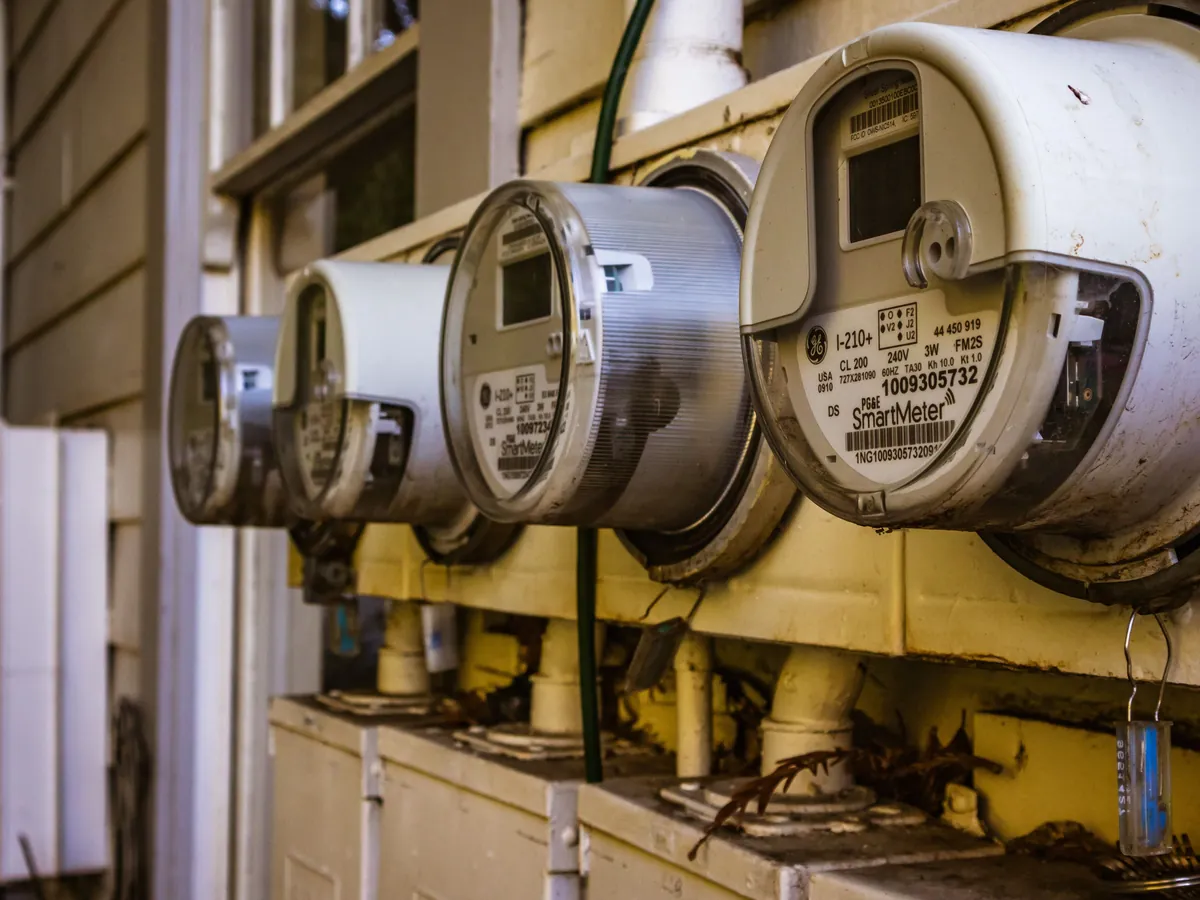
Reason 1: Data Centers Moved the Market
The single biggest structural story in 2026 electricity is AI’s arrival on the grid. The clearest verified marker: PJM’s capacity auction cleared at $16.1 billion — up from $14.7 billion the prior year, a jump of roughly 76-82% depending on the measure — with data-center load cited by grid analysts as the primary driver (Utility Dive and E&E News coverage of the October 2025 auction, feeding directly into rates consumers now pay). Virginia alone hosts a share of the world’s data centers large enough to have its own load-growth statistics.
What it means for a household bill: every new gigawatt of always-on data-center demand tightens the market you buy from, and capacity markets pass that tightness straight through. It’s why electricity economics now show up in AI news, and why the “what does my compute cost” question runs in both directions — households running local AI add load at the same time utilities are repricing for the industrial version. (We cover the household side in the gaming PC electricity guide.)
Reason 2: The Grid Is Being Rebuilt, and You’re Paying for It
Utilities are in a heavy investment cycle — transmission upgrades, storm hardening, wildfire mitigation in the West, interconnection queues — and regulated utilities recover capital spending through rates, with a return. This spending is not waste; a lot of it is real reliability and climate work. But it lands on bills as steady upward pressure regardless of how much electricity you personally use, which is a quiet shift: the fixed portion of your bill grows even as appliances get more efficient.
Reason 3: Your State’s Rate Design
The national average is 18.31¢, but your bill doesn’t know that. The verified July 2026 spread:
| Rate level | ¢/kWh | What it does to a bill |
|---|---|---|
| Utah-class states | 13.12¢ | The baseline — cheap power, all winter |
| US average | 18.31¢ | +40% over the cheapest states |
| Hawaii-class markets | 48.00¢ | Nearly 4× the cheapest states |
Same house, same habits: nearly four times the electricity cost at the top of the spread versus the bottom. State rate design — regulated monopoly versus deregulated retail, fuel mix, state taxes, and how aggressively the utility is investing — explains most of it, and it’s the first thing to check when a bill seems high: compare your rate to your state’s average, not to the national one.
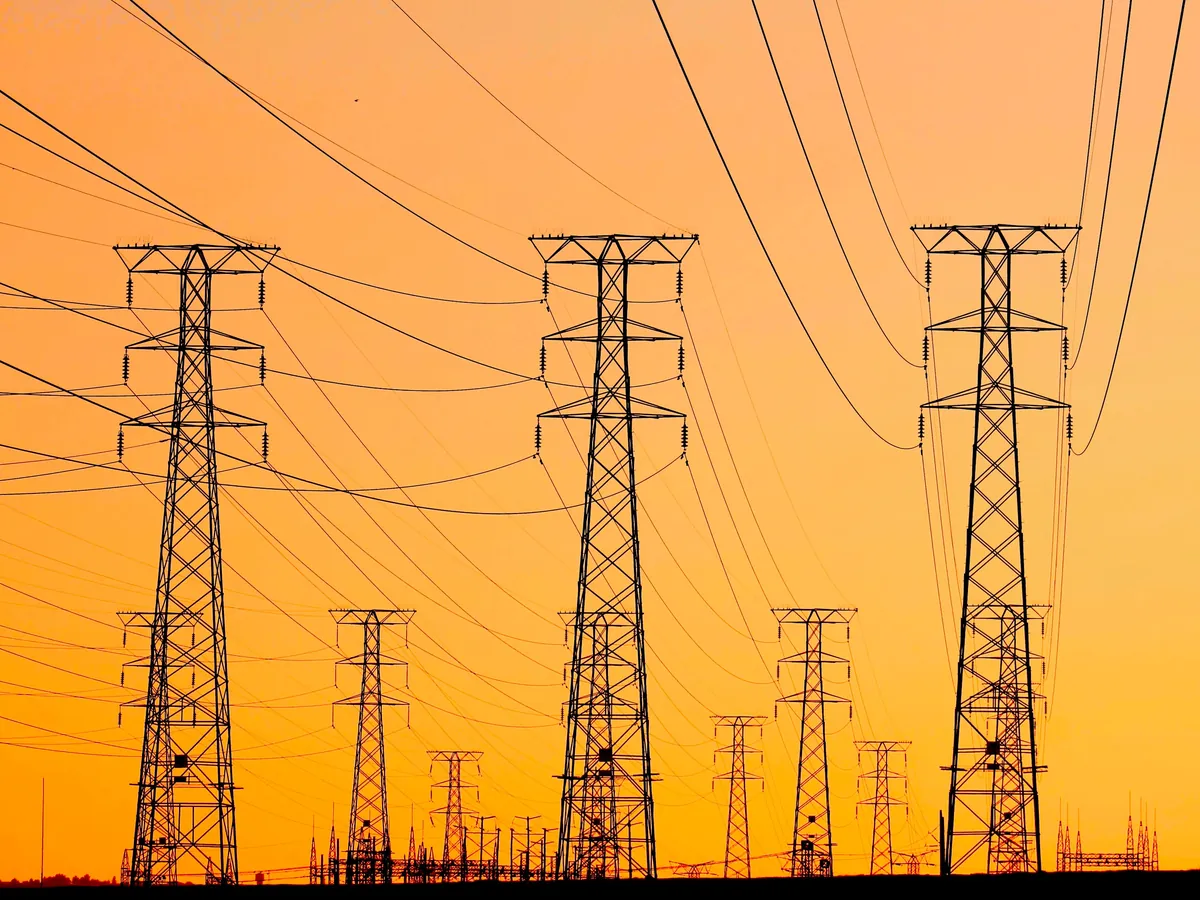
What You Can Actually Control
You can’t fix the capacity auction, but the usage side of the bill is still yours:
Move load off peak. Time-of-use plans price overnight electricity far below evening peak in many markets. EV charging, laundry, dishwashing, and pool pumps on a timer are the classic wins — see the EV home charging guide for the math on the biggest one.
Attack the heating and cooling line. It’s the biggest usage item in most homes: thermostat setbacks, attic insulation, and seasonal maintenance are the trio that actually moves kilowatt-hours.
Check for a better retail rate. In deregulated states you can shop the generation portion — the same usage can carry different supply prices, and the incumbent default rate is often not the cheapest.
Verify before you blame usage. A bill that jumps with no behavior change is sometimes a meter-read estimate, a rate-change month, or a failing appliance (a struggling refrigerator compressor is the classic silent bill-inflator). Compare this month’s kWh — not dollars — to last year’s same month, then to your rate.
The Bottom Line
Electric bills in 2026 are high for three stacked reasons: the national rate is 18.31¢ per kWh and up about 5% a year, data-center demand pushed grid capacity prices up more than three-quarters in the PJM auction that’s now flowing through bills, and state rate design spreads the same consumption across a 13¢-to-48¢ range. The structural part is out of your hands; the usage part isn’t — shift load off peak, seal and insulate against the biggest line item, and price-shop your supplier if your state allows it. For the seasonal side of the same bill, see what heating will cost this winter.
FAQ
Why is my electric bill so high all of a sudden?
Three checks, in order: compare kilowatt-hours (not dollars) to the same month last year — if usage is flat but the bill rose, your rate changed; if usage jumped with no behavior change, look for a failing appliance (refrigerator compressors are the classic culprit) or a meter-read estimate; and check whether your utility ran a rate case or fuel adjustment this season. Rate increases of 5-20% in a single filing have been common in 2026.
Why are electricity rates going up in 2026?
About 5% nationally this year, driven by the same forces stacking: data-center demand tightened capacity markets (PJM’s auction cleared up roughly three-quarters, attributed primarily to data-center load), utilities are in a heavy grid-investment cycle that recovers through rates, and fuel pass-throughs add volatility. The structural pressure is expected to persist as AI load grows.
What uses the most electricity in a house?
Heating and cooling dominate most bills, followed by water heating, then dryers and refrigeration. A space heater run all day or a 24/7 gaming PC at full load are the appliances most likely to surprise — a PC under continuous load can add over $100 a month at average rates.
How can I lower my electric bill without sacrificing comfort?
Move flexible load to off-peak hours on a time-of-use plan (EVs, laundry, dishwashing), set real thermostat setbacks, and seal the envelope — attic insulation and air sealing cut heating and cooling use for years after a one-time cost. In deregulated states, shopping your generation supplier takes an hour and can beat the default rate.